
Sacha’s Story: When Being Rare Means Being Unseen
In South Africa, being rare often means being unseen.
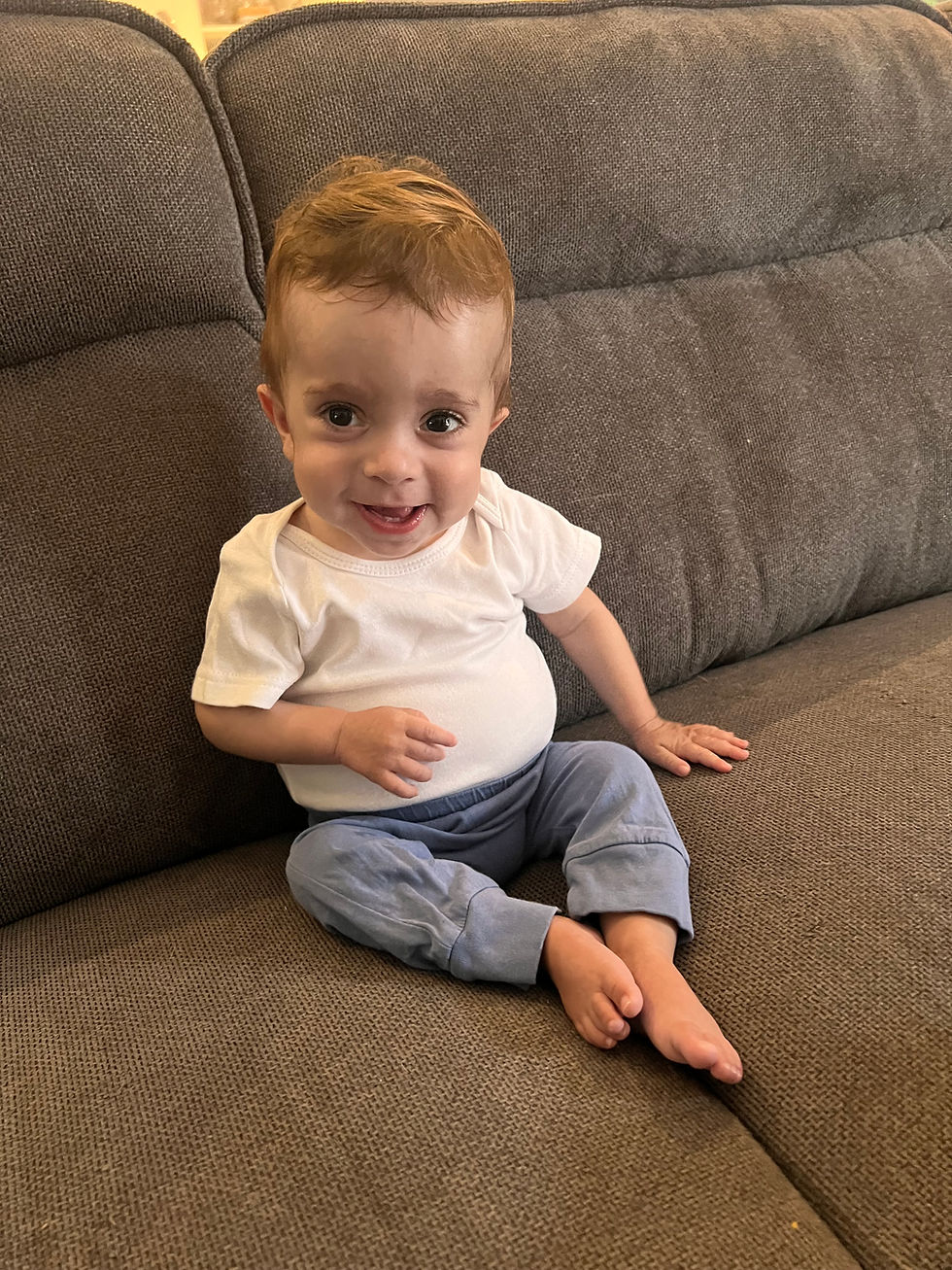
For five months, Sacha Ariel was simply a baby being loved. Born a healthy 2.7kg, he thrived in those early weeks, surrounded by warmth, laughter, and the deep bond forming between him and his big brother. Like so many families, Sacha’s parents were living the joy of newborn life — unaware that a rare diagnosis would soon change everything.
When Sacha became ill and was admitted to hospital for dehydration and para‑influenza, no one expected what would follow. While treating the infection, doctors discovered his liver and spleen were enlarged. What began as a short hospital stay turned into two weeks of investigations, invasive procedures, and intensive feeding support. Sacha endured repeated tests, anaesthetics, and tube feeding as teams searched for answers ruling out cancers, tumours, viruses, and metabolic conditions.
A month later, the diagnosis arrived.
Sacha was diagnosed with Niemann‑Pick Disease Type A (ASMD) — a rare, progressive, and fatal genetic disorder. His parents were told their son would experience neurological decline and that most children with this condition do not live beyond early childhood. Overnight, their world shifted. The future they had imagined was replaced with uncertainty, grief, and fear.
This is the reality facing rare disease families every day.
The Local Reality of Being Rare
In South Africa, Sacha is one of only around three known cases of Niemann‑Pick Type A.
There are no Niemann‑Pick–specific foundations locally. There are no established support pathways. Limited awareness means limited funding, limited research, and limited guidance. While international foundations in the US and UK exist — supporting trials for other Niemann‑Pick types — these interventions cannot alter the severe neurological progression in Sacha’s case.
When conditions are rare, they are often overlooked. When they are overlooked, families are left to cope alone.
This is what inequity looks like in rare disease: not because care is refused, but because it was never built in the first place.
Living With Rare Disease
Day‑to‑day life with Niemann‑Pick Disease is complex and exhausting. Sacha’s body struggles to absorb calories. He cannot tolerate solids, large feeds, or typical feeding schedules. Feeding is frequent, difficult, and constant — day and night — affecting his sleep and development.
Sacha has not reached physical milestones many take for granted. He cannot sit unaided, roll, or support his own body. His enlarged organs cause ongoing discomfort, and he requires continuous support to remain comfortable.
These are the realities that rarely appear in statistics or policy discussions — the invisible, relentless work of caregiving in rare disease households.
Strength, Love and What Keeps Families Going
Despite everything, Sacha shines.
He may not speak, but he communicates clearly — through babble, play, expression, and unmistakable determination. His presence fills a room. His joy is infectious. When he wants something — or doesn’t — he makes it known, loudly and proudly.
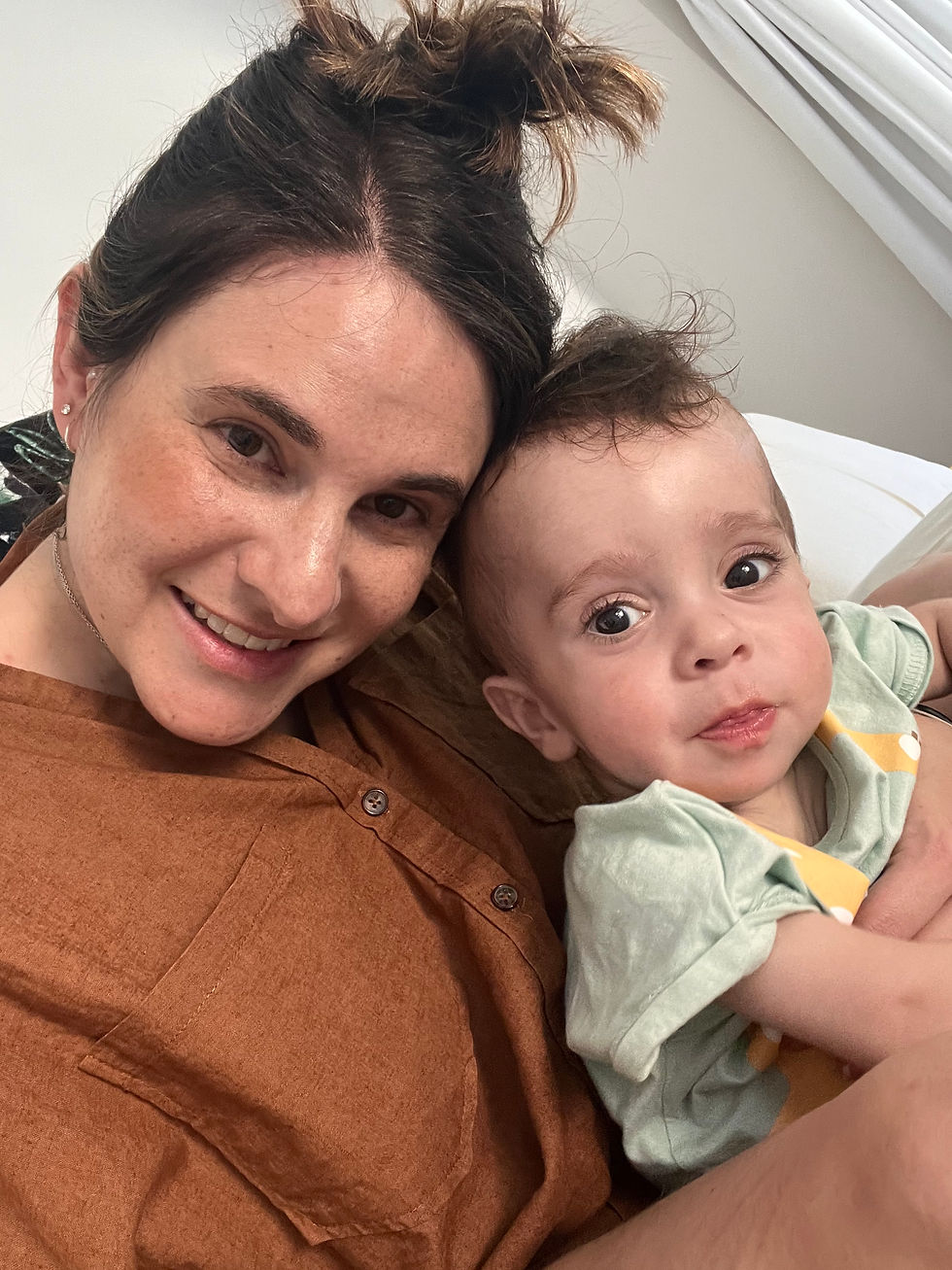
His older brother, just three years old, is equally full of life. Together, the boys are the heart of their family. They are the reason their parents keep going.
Like many rare disease families, they rely heavily on their support network. Grandparents, relatives, and loved ones help carry the emotional and practical load. As the saying goes, it takes a village — and for rare disease families, that village is essential.
Seeing the Unseen
Sacha’s parents cannot change the outcome of his diagnosis. But they can — and do — ensure he experiences comfort, dignity, joy, and unconditional love every day of his life.
By sharing Sacha’s story, they are helping others see what it truly means to live with rare disease in South Africa.
Being rare should never mean being forgotten.
This is Sacha’s story. And during the 13 Days campaign, we honour it — and every rare life — by choosing to see, listen, and act.
Why Rare Disease Awareness Matters
One of the hardest parts of rare disease is the unknown.
There is little research. Few comparable cases. No clear answers about what the future holds. Parents are required to make life‑altering decisions with limited information — often guided by instinct, love, and hope rather than evidence.
During RDSA’s 13 Anniversary, stories like Sacha’s remind us why awareness must lead to action.
Rare disease families need:
Visibility
Research funding
Coordinated care pathways
Psychosocial support
Policy recognition
Because when diseases are rare, families should not be invisible.


Comments